New Title
Armoured Pest Control • October 28, 2026
Dropping temperatures signal local mice and rats to seek out reliable food sources to survive the freezing months ahead. Property owners across Langley, Aldergrove, and Clayton Heights often assume their exterior bait stations will function perfectly without winter preparation. At Armoured Pest Control, we see severe indoor infestations occur simply because exterior defenses were buried in snow or depleted of fresh bait. Maintaining an ongoing rodent program is your only true defense against a winter invasion.
Waiting until you find droppings in your kitchen means the exterior perimeter has already failed entirely. We have outlined a precise sequence of actions to help you secure your bait stations before the frost sets in. Moving quickly through these stages ensures your property remains protected during the most critical time of the year. Taking action now stops rodents from making your home their winter sanctuary.
In This Article:
- Stage 1: Assess Your Exterior Bait Stations
- Stage 2: Schedule Professional Replenishment
- Stage 3: Protect Your Property Perimeter
- Frequently Asked Questions
- Finalizing Your Winter Defenses
Stage 1: Assess Your Exterior Bait Stations
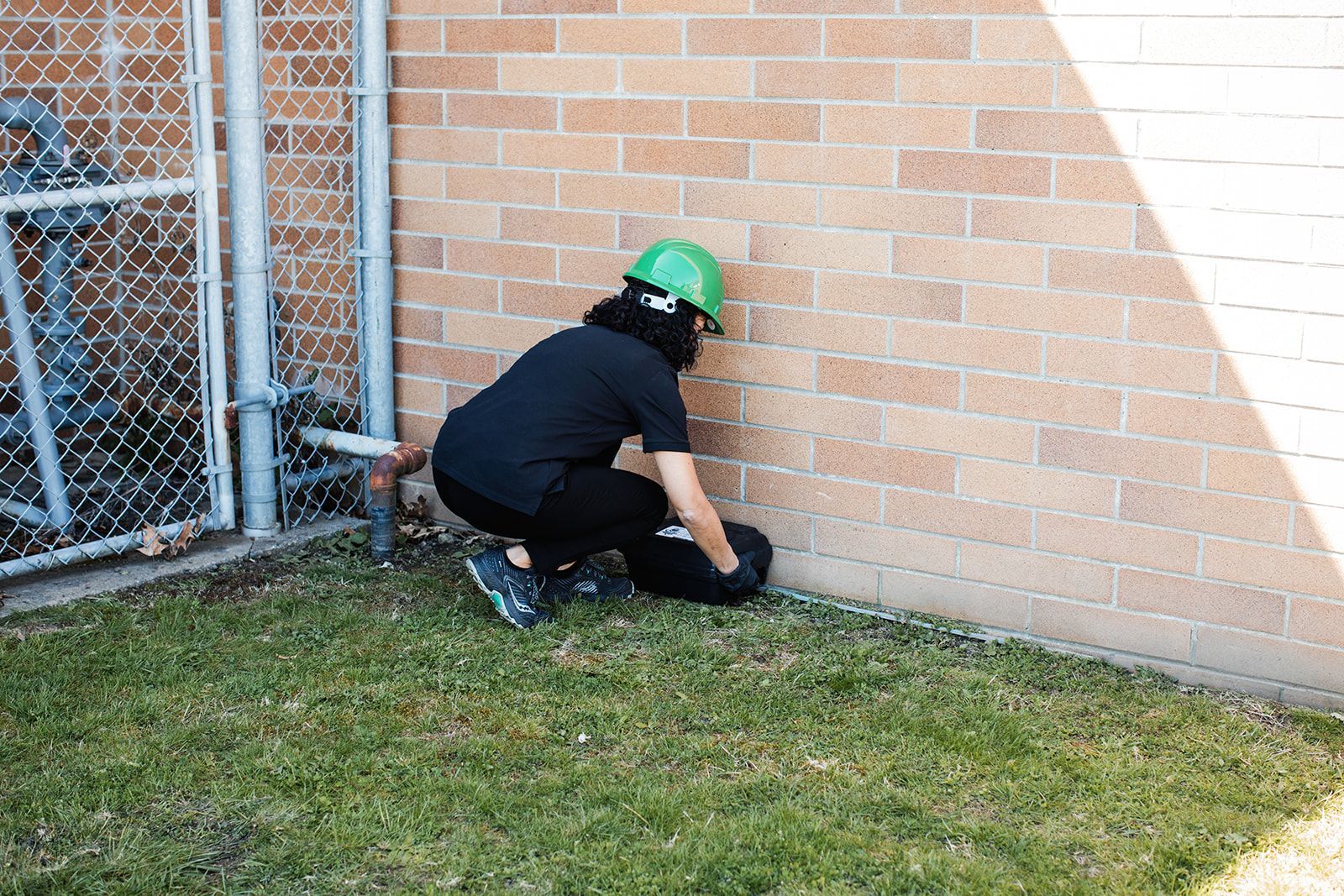
You must evaluate the physical condition of your black plastic bait stations before the outdoor temperatures drop. Spotting damaged equipment early gives you a vital head start on winterization.
- Check for Structural Damage: Inspect each plastic box to ensure the hinges are intact and the lids lock securely to protect the bait from rain and curious pets.
- Look for Heavy Activity: Note which specific stations have empty bait rods or heavy gnaw marks around the entrance holes, indicating a high traffic rodent pathway.
- Clear Away Debris: Remove thick mud, wet autumn leaves, and tall grass from the immediate area surrounding the station to keep the entrance tunnels totally clear.
Stage 2: Schedule Professional Replenishment
Getting your property onto a service calendar is critical before the first major freeze drives the rat population into a feeding frenzy. A licensed technician can restock your defenses safely and legally.
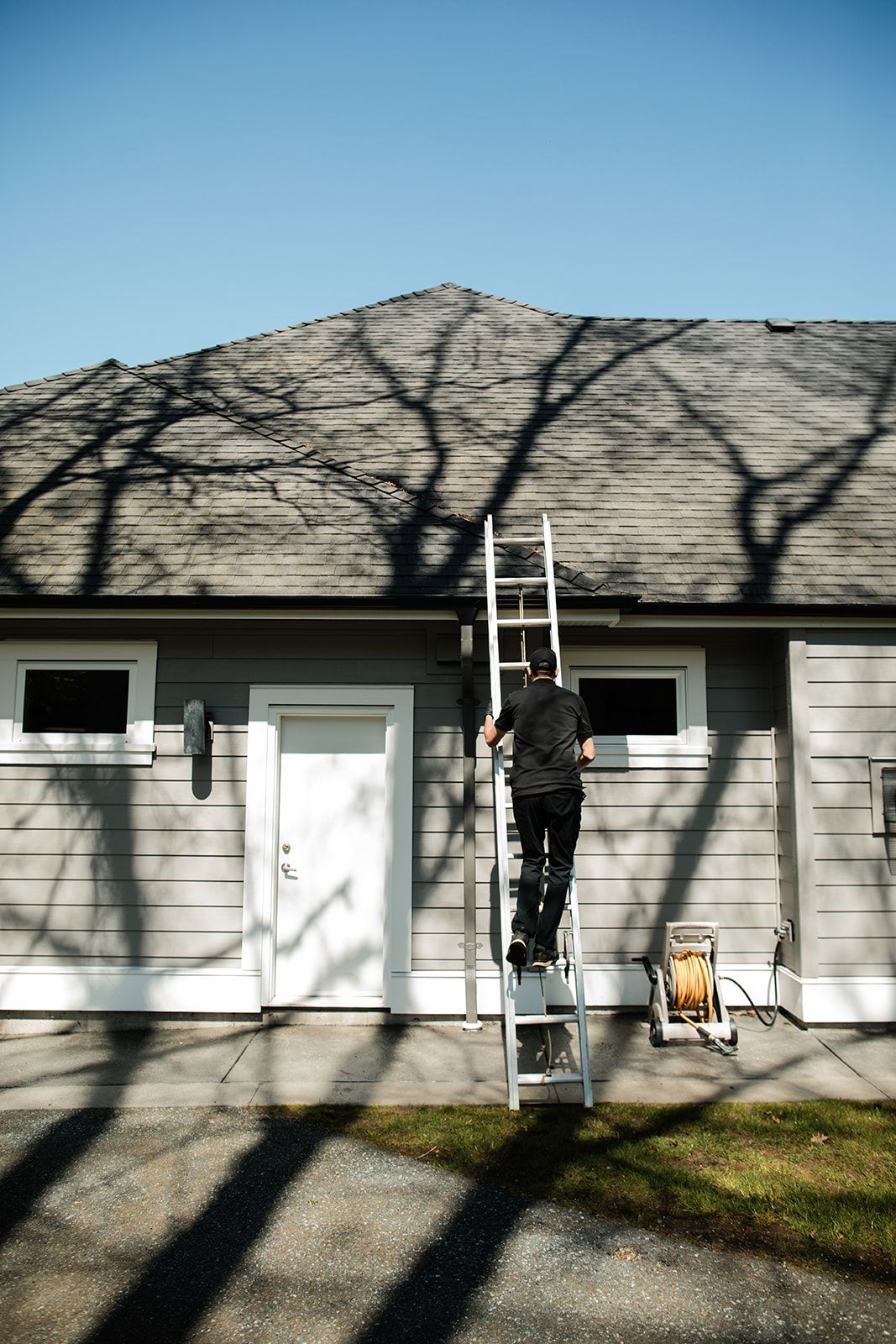
- Book a Perimeter Audit: Have a professional evaluate your exterior foundation to ensure you have enough stations placed at the correct intervals to form a solid defensive ring.
- Request Fresh Product: Ask your technician to swap out the old, stale summer bait for fresh rodenticide products that are highly attractive to foraging mice in the cold.
- Plan for Winter Access: Discuss exactly where the stations should sit during the snowy months so the technician can easily access and refill them during routine visits.
Stage 3: Protect Your Property Perimeter
The final stage requires putting physical barriers between the exterior rodent population and your warm indoor living spaces. Proper exclusion methods work alongside the bait to provide total security.
- Seal Foundation Cracks: Use heavy steel wool and professional grade sealants to plug any gaps around exterior plumbing pipes where freezing wind enters the basement.
- Install Door Sweeps: Attach heavy duty bristle sweeps to the bottom of all exterior doors to stop mice from squeezing underneath the threshold.
- Move Firewood Away: Relocate stacked firewood at least twenty feet away from your siding, as stacked timber creates a perfect insulated nesting ground for rats.
► The single most important urgency fact is that a female mouse seeking warmth can reproduce rapidly during the winter, turning two intruders into a massive indoor colony within a matter of weeks if your exterior bait stations run empty.
Frequently Asked Questions
Why do rodents ignore old bait in the winter?
Rodenticide products degrade over time when exposed to extreme humidity and fluctuating temperatures. Once the bait becomes moldy or loses its aromatic attractants, foraging mice and rats will completely ignore the station and search for fresher food sources inside your kitchen instead.
Can freezing temperatures damage plastic exterior stations?
Yes, prolonged exposure to sub zero temperatures and harsh sunlight makes the plastic housings incredibly brittle. If a station cracks from a heavy impact or severe frost, it no longer protects the internal bait from moisture and creates a safety hazard for local pets.
How often do technicians need to refill winter bait stations?
During the active autumn transition and early winter months, rodent activity spikes dramatically. Technicians typically need to inspect and restock the perimeter stations every thirty to sixty days to ensure a continuous supply of fresh bait is always available to the local population.
Finalizing Your Winter Defenses
Shielding your home from the bitter cold requires making sure your exterior bait stations are fully stocked and functional. By assessing your perimeter and booking professional replenishment now, you remove the risk of a massive interior infestation. Call our dispatch team today to inspect your property and face the winter season with absolute confidence.
Share This Blog