New Title
Armoured Pest Control • August 11, 2026
Finding a few ants marching across your kitchen floor is usually a sign of a larger problem hiding inside your walls. When worker ants enter homes in Langley, Aldergrove, and Clayton Heights, they are actively sourcing food for a massive, concealed colony. At Armoured Pest Control, we deliver expert ant treatment to track down these hidden nests and eliminate the entire breeding population. Knowing how to spot the subtle indicators of a structural nest is critical for protecting your home.
Many property owners ignore minor ant sightings until the colony has already carved extensive galleries into their wooden framing. We want to expose the hidden signs that prove an ant colony has taken up residence inside your house. Recognizing these specific indicators helps you act quickly before the insects cause severe damage to your property.
What We Cover Today:
- Tip #1: Spotting Frass Near Baseboards
- Tip #2: Tracking Moisture Trails in Wood
- Tip #3: Identifying Satellite Colonies
- Tip #4: Listening for Wall Rustling
- Tip #5: Following Exterior Foraging Lines
- Frequently Asked Questions
- Protecting Your Property
Tip #1: Spotting Frass Near Baseboards
Carpenter ants do not eat wood, but rather excavate it to build their nests, pushing the debris out into your living space.
- Material Identification: Look for small piles of sawdust mixed with dead insect parts along your baseboards.
- Location Tracking: Frass piles usually sit directly beneath the hidden entrance hole of the active ant gallery.
- Immediate Action: Vacuuming the sawdust will not solve the issue, as the ants will simply push more debris out the next day.
Tip #2: Tracking Moisture Trails in Wood
Ants require a steady water source to survive, meaning they often nest near compromised plumbing or leaky rooflines.
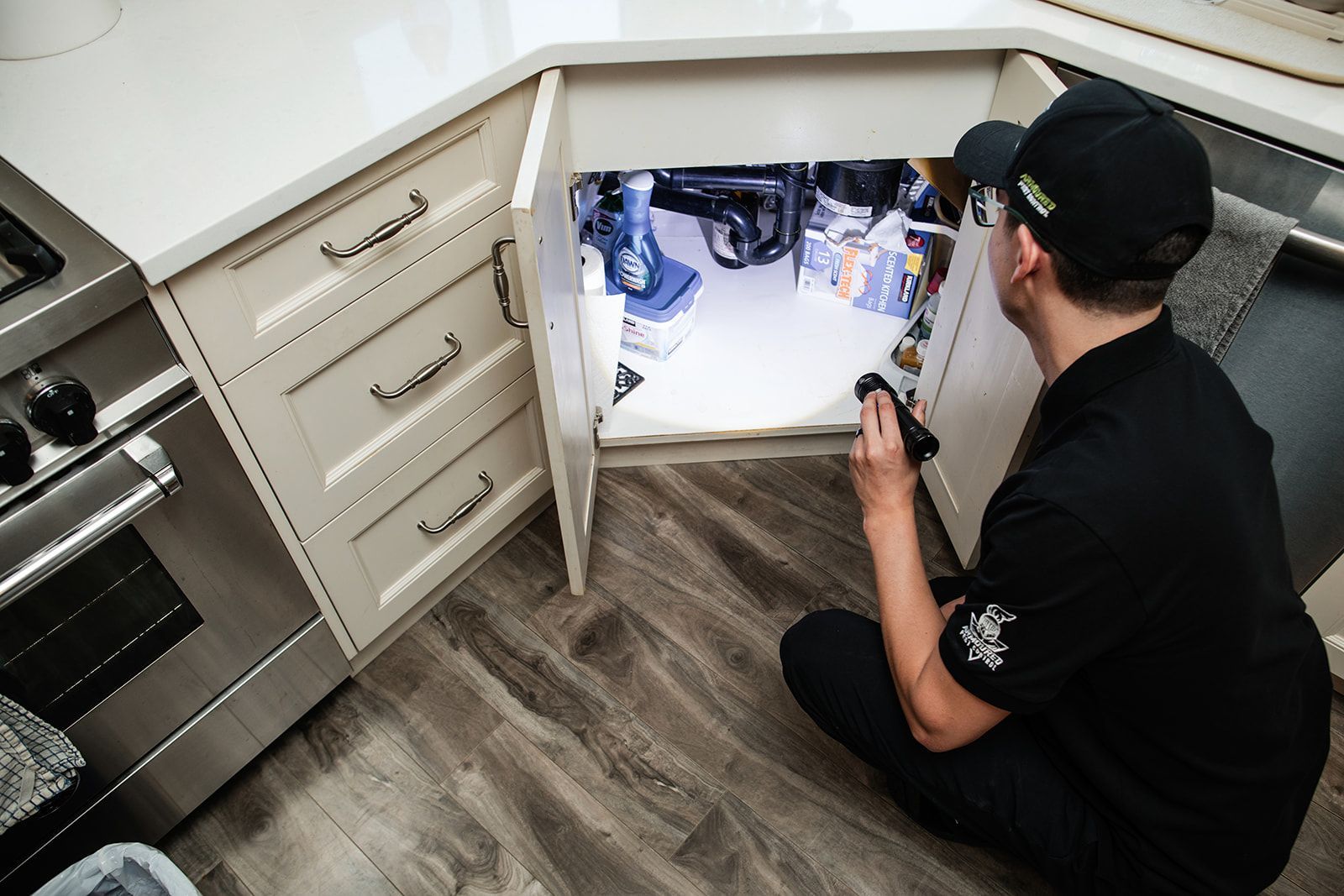
- Water Sources: Inspect the wooden framing under your sinks and around your dishwasher for softening or rot.
- Structural Scans: Check the trim around your exterior windows and doors for soft spots that attract moisture loving species.
- Correction Needs: Fixing the plumbing leak is mandatory to ensure the nest does not rebuild after the initial treatment.
This is a pattern the team at Armoured Pest Control hears regularly when residents notice strange signs indoors.
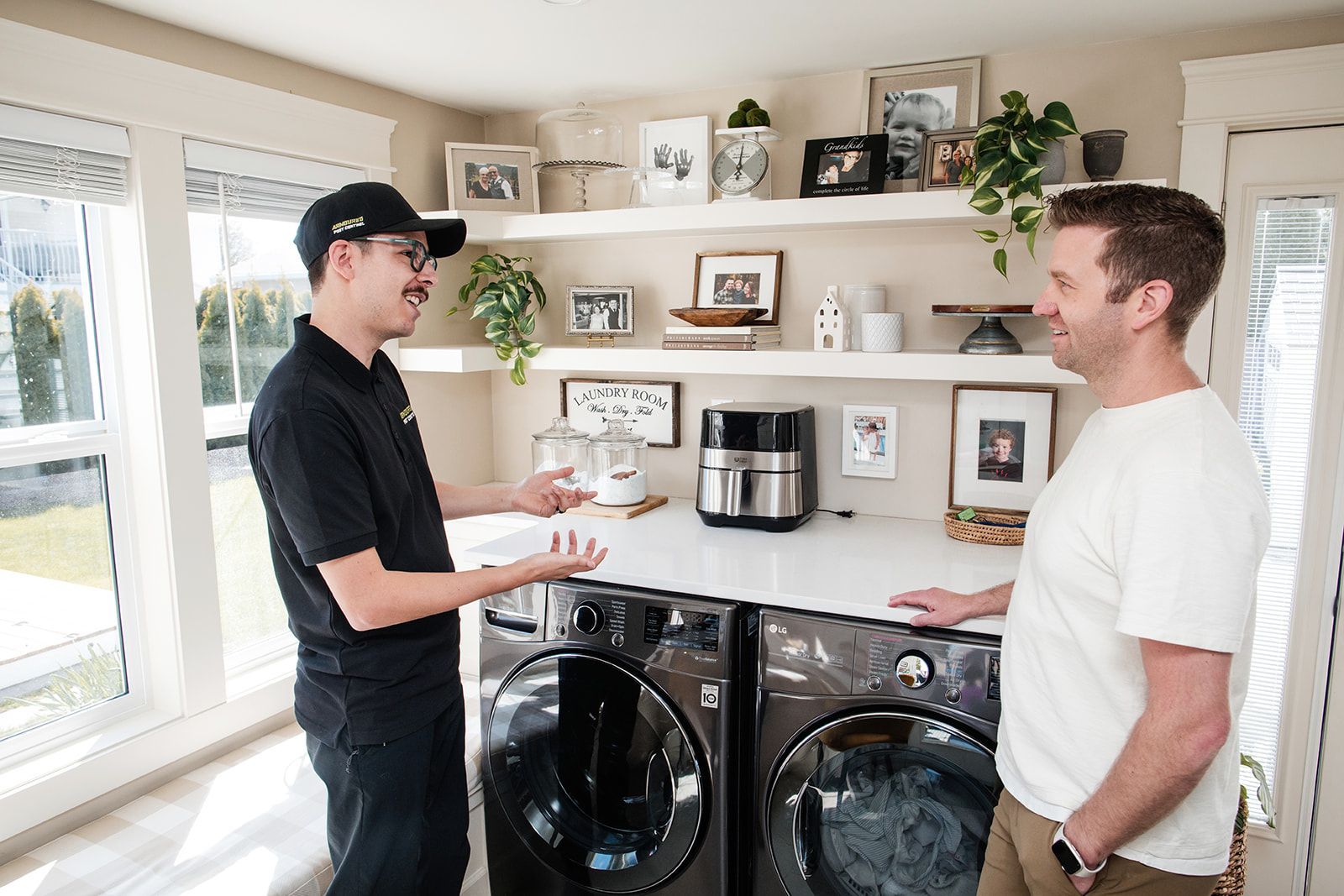
►Client Experience: Colleen M. shared “Ryan was so helpful with our ant problem giving us advise on how to keep these pesky little critters outside and not inside causing havoc and preventative measures.”
Providing effective preventative advice is exactly why Colleen M. relies on our extermination expertise.
Tip #3: Identifying Satellite Colonies
Large ant populations often split into smaller satellite nests to expand their territory throughout your home.
- Widespread Sightings: Finding ants in multiple, unconnected rooms indicates you have more than one active nest indoors.
- Insulation Nesting: Satellite colonies frequently set up camp inside fiberglass wall insulation where it is warm and undisturbed.
- Targeted Baiting: Professional bait strategies can help ants to carry the active ingredients back to all the dispersed satellite locations.
Tip #4: Listening for Wall Rustling
A mature ant colony is incredibly active, and the sheer volume of insects moving together creates an audible sound.
- Nighttime Activity: Press your ear against the drywall at night when the house is quiet to listen for a faint crinkling or rustling noise.
- Disturbance Reactions: Tapping firmly on the wall can cause the nest to panic, making the rustling sound suddenly louder.
- Professional Assessment: Hearing insect movement inside a wall dictates the immediate need for professional void injection treatments.
Tip #5: Following Exterior Foraging Lines
Ants commuting from your yard into your house leave a distinct chemical trail for others to follow.
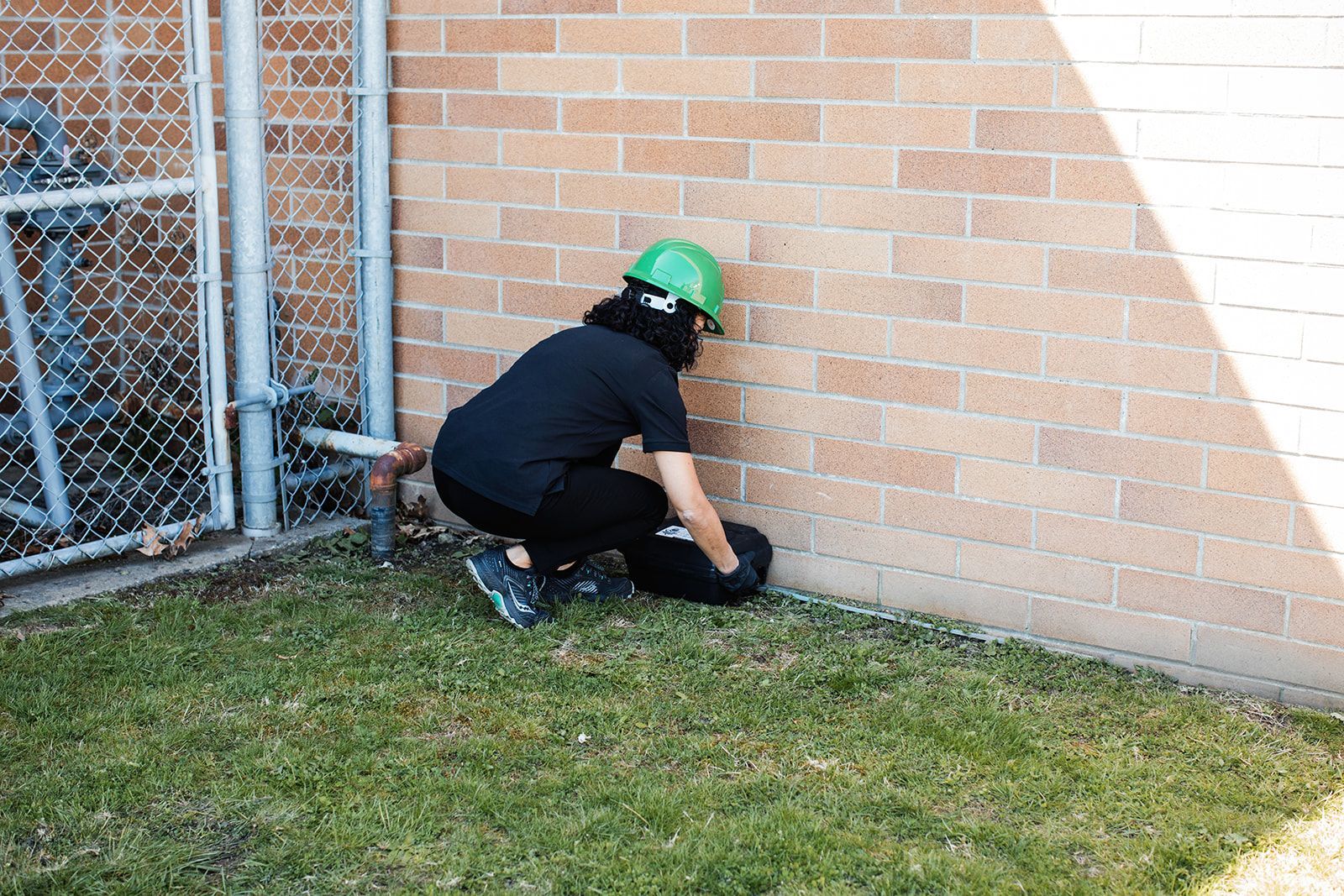
- Foundation Breaches: Watch the exterior foundation walls for steady lines of ants marching directly into weep holes or cracked mortar.
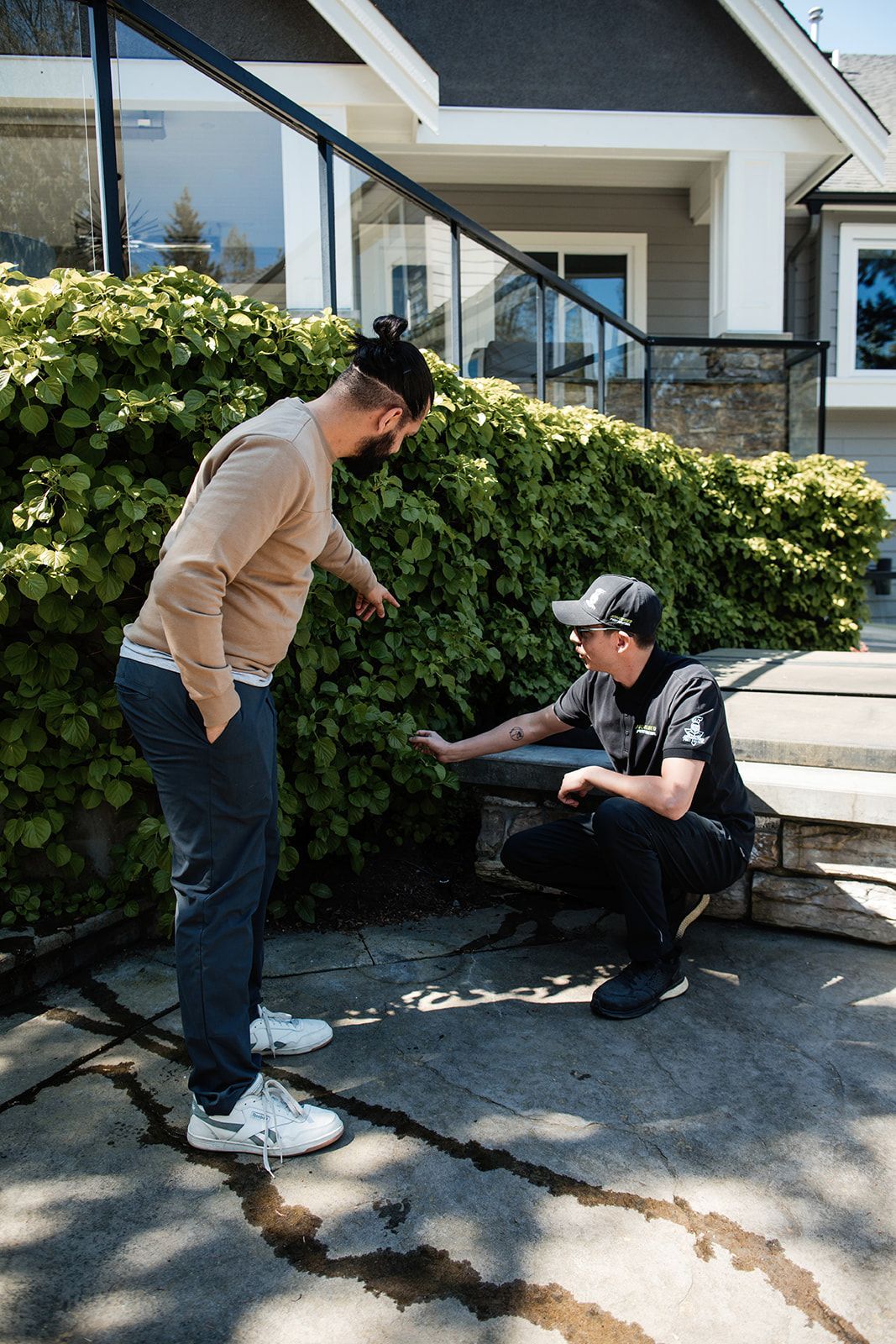
- Vegetation Bridges: Trim back any tree branches or heavy shrubs that touch your siding, as ants use these as natural bridges to bypass foundation treatments.
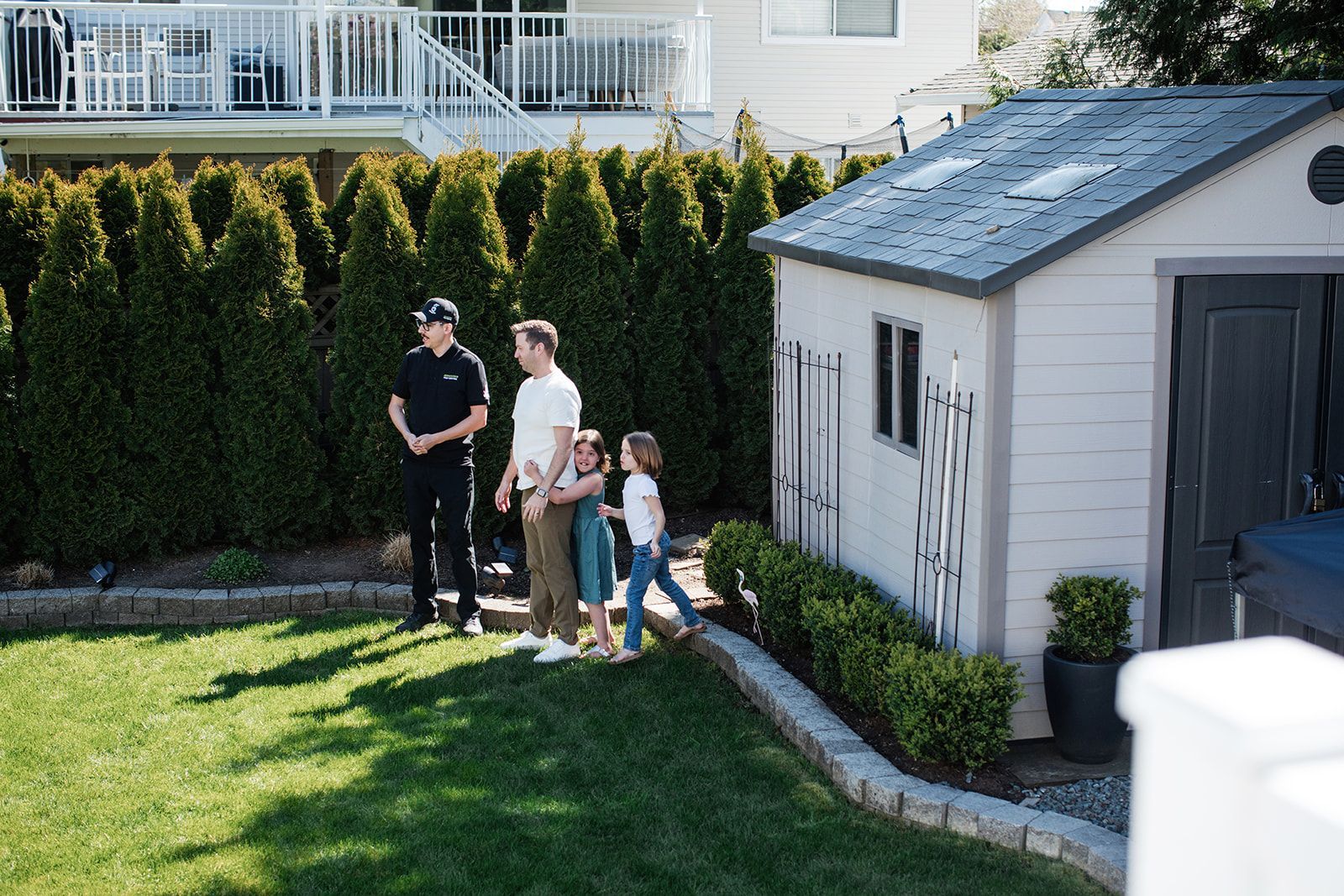
- Perimeter Defense: A professional exterior barrier treatment is the only way to sever the foraging lines permanently.
Frequently Asked Questions
Can carpenter ants destroy framing studs?
Yes. Over several years, a large colony of carpenter ants can hollow out structural timbers, window frames, and support beams. This excavation severely weakens the wood, requiring expensive carpentry repairs to restore the structural integrity of your home.
Why do ants ignore store bought bait traps?
Ant colonies alternate their dietary needs between proteins and sugary carbohydrates depending on the season and the breeding cycle. Store bought baits typically only offer one food type, meaning the colony will completely ignore the trap if they are currently foraging for the opposite nutrient.
Does cutting back tree branches stop ant invasions?
Pruning branches removes the physical bridges ants use to access your roofline, but it does not stop them from climbing up your concrete foundation. Complete prevention requires clearing the vegetation and applying a specialized liquid perimeter barrier around the base of the home.
Protecting Your Property
Securing your home from destructive insects requires paying close attention to the hidden signs of nesting. By tracking frass piles and listening for wall activity, you can identify an invasion before it spreads. Contact our field operations team today to schedule an expert ant treatment and eliminate the entire colony for good.
Share This Blog